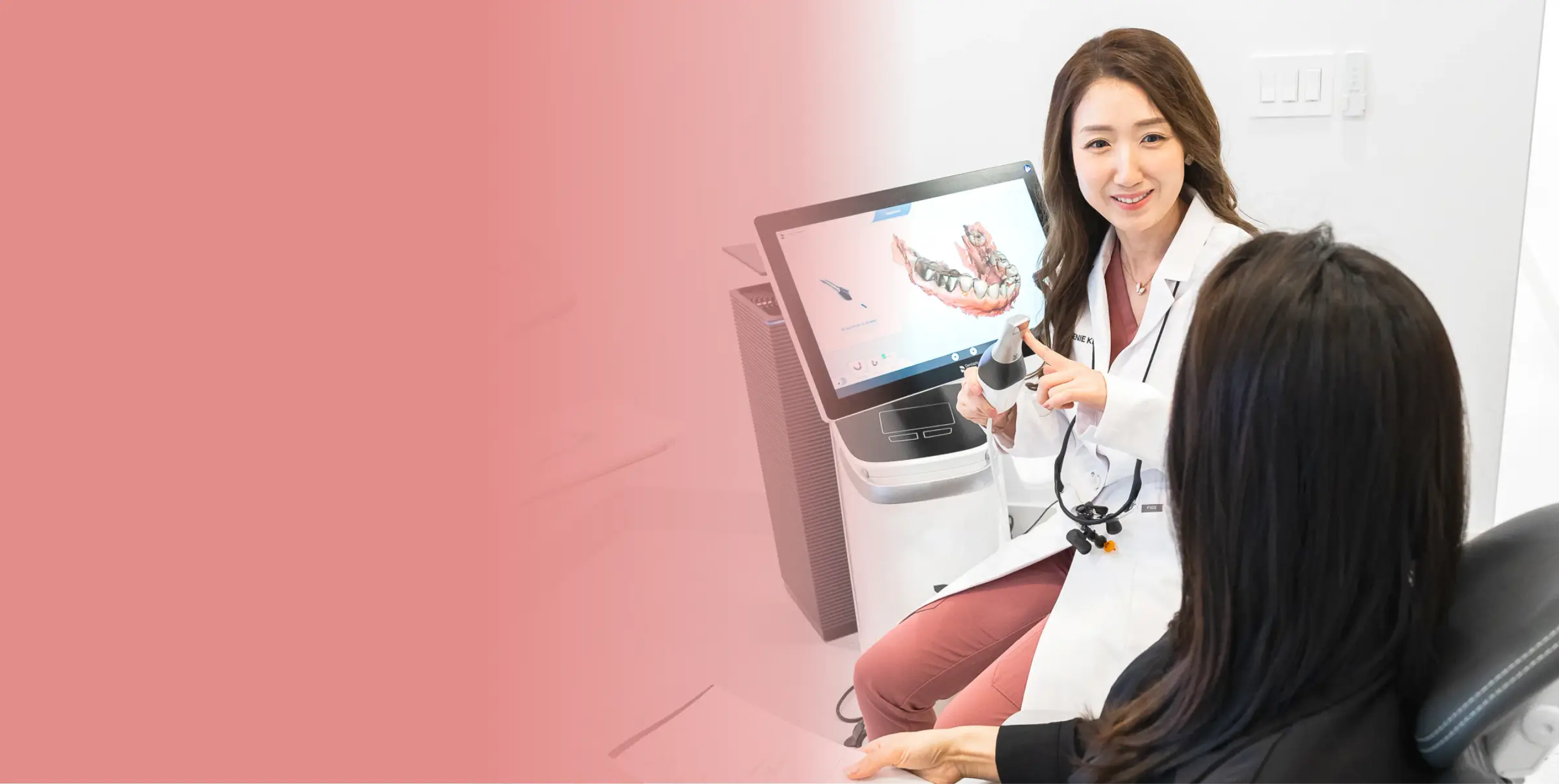
What Are Bone Grafting and GBR?
Your jawbone is kept strong in part by the stimulation it receives from tooth roots. After a tooth is lost or extracted, the bone in that area can gradually shrink in both height and width.
A bone graft places bone-building material where the bone is thin or missing. It acts as a framework that your own body gradually replaces with new bone.
Guided Bone Regeneration (GBR) adds a protective barrier membrane over the site. The membrane keeps faster-growing gum tissue out of the area, giving new bone the time and space it needs to form.
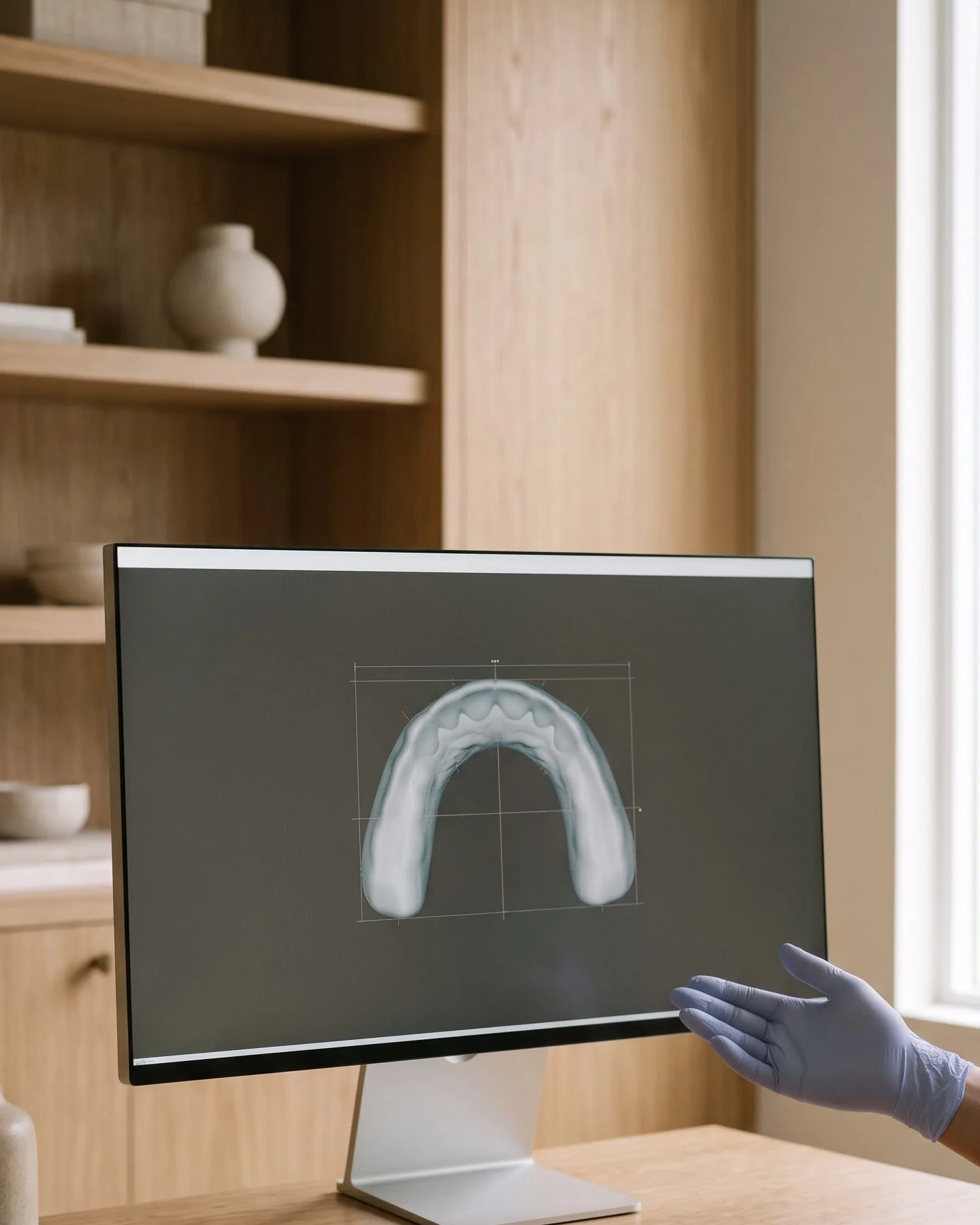
When Is Bone Grafting Recommended?
- Preparing for Dental Implants: An implant needs enough healthy bone around it to stay stable over the long term.
- After a Tooth Extraction: Grafting the empty socket can help limit the shrinkage that typically follows, keeping future options open.
- Long-Standing Tooth Loss: When teeth have been missing for some time, the ridge may have narrowed too much to support an implant without rebuilding.
- Bone Loss from Gum Disease or Infection: Certain bone defects can be rebuilt once the underlying problem has been treated.
What to Expect During Treatment
- 01
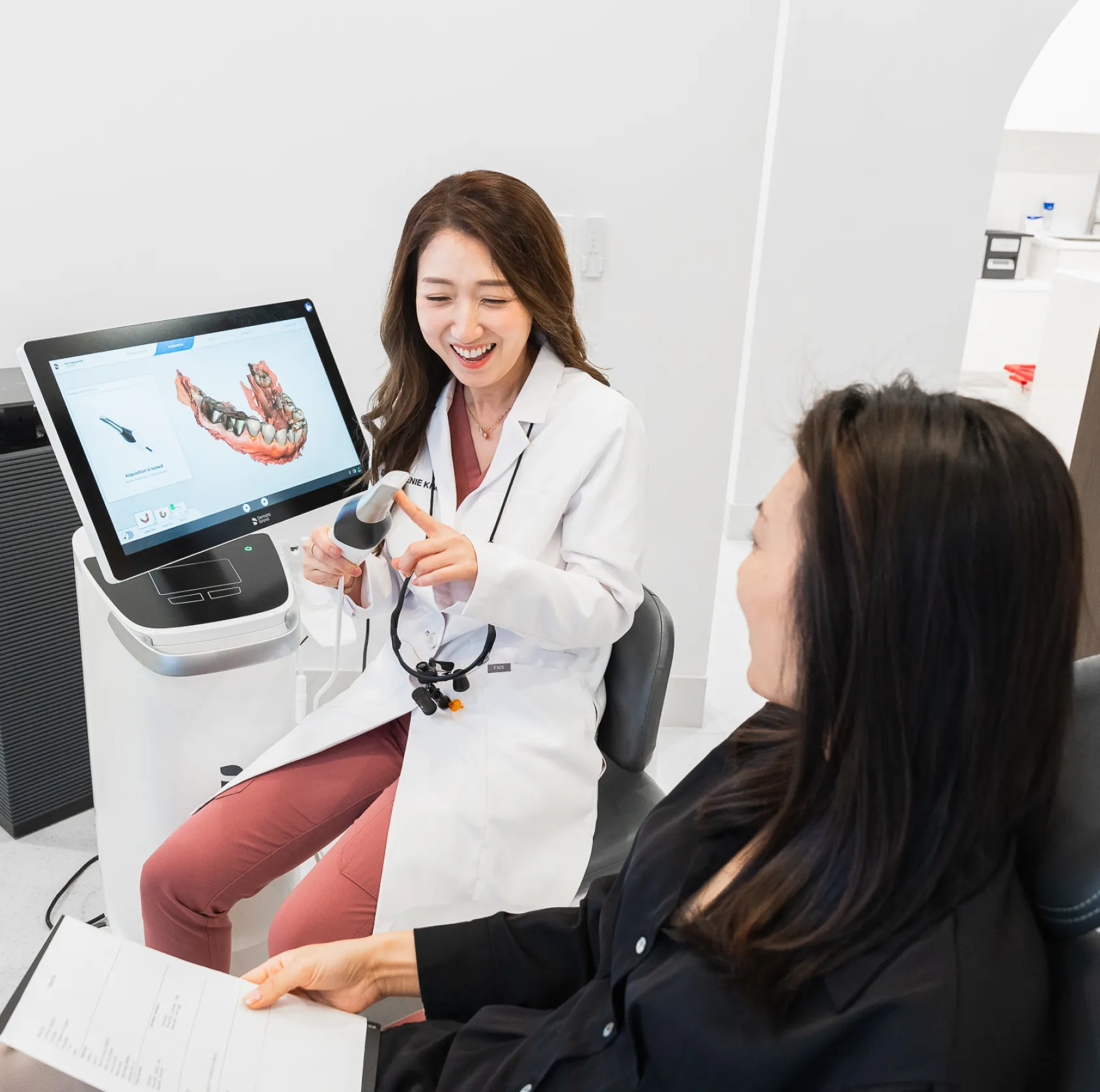
3D Imaging & Planning
We use CBCT imaging to measure your bone and plan the graft around your anatomy and your long-term goals.
- 02
Comfortable Numbing
The area is fully numbed with local anesthetic before anything begins.
- 03
Graft & Membrane Placement
The graft material is placed where it is needed and, for GBR, covered with a protective membrane. The gum is then closed over the site.
- 04
Healing
New bone forms gradually, often over several months. Healing time varies with the size of the graft and your own healing, and we follow your progress with checkups.
- 05
Your Next Step
Once the site has healed, we confirm the result with imaging and plan your implant or restoration.
Common Types of Grafting Procedures
The approach depends on where bone is needed and how much. After reviewing your 3D imaging, we will explain which option fits your situation and which graft material we recommend:
- Socket Preservation: A graft placed right after an extraction to help limit the bone loss that follows.
- Ridge Augmentation: Rebuilds the width or height of a jawbone ridge that has already shrunk, often using GBR.
- Grafting at the Time of Implant Placement: When there is enough bone to stabilize the implant, smaller areas can sometimes be grafted during the same visit.
Frequently Asked Questions
Do You Take My Insurance?
We believe treatment decisions should be guided by your individual needs, not insurance restrictions. Our team is happy to assist with questions about treatment fees, insurance claims, and financing options.
- Fee-for-service, out-of-network practice
- Insurance claims submitted on your behalf as a courtesy
- Flexible financing through Cherry, subject to approval
- We do not accept Denti-Cal or HMO plans
Thank you. Our team will reply by email within one business day.
Book Your Appointment Today!
Discover a new approach to
luxury dental care
We will be in touch shortly
Thank you for starting your journey with us. Our front desk will confirm your time within one business day.